
GiveBetter x SF

Our Bay Area Shortlist

The four lowest modeled costs in our Bay Area research.

Last updated: October 4, 2026
What this shortlist means

The same four organizations appear first in the full research list, in the same order. These are research leads, not fully vetted grant recommendations. Low modeled cost does not establish financial transparency, a verified recipient or room for more funding.

HOPE Pacifica’s annual financials remain unverified. The Hearing and Speech Center’s charitable-recipient status needs resolution before a direct gift. Those concerns are retained in the reports and do not change the ranking.

Illustration of a city neighborhood and park

Look for meaningful impact

Compare how a donation could improve health in the Bay Area.

Illustration of research books

Follow the evidence

Separate promising estimates from verified results and additional funding needs.

Illustration of choosing a charity

Choose with care

Read the report and confirm what your gift would fund before donating.

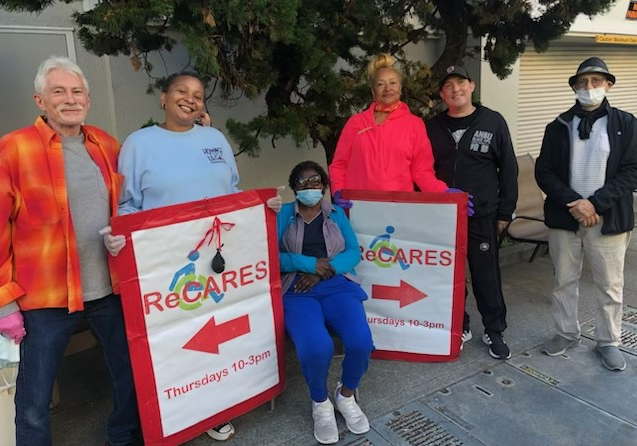
ReCARES volunteers in San Francisco. Photo: ReCARES.

RESEARCH LEAD 1 OF 4

Make useful medical equipment accessible

Overview

ReCARES redistributes donated mobility aids and home-health supplies through San Francisco, Oakland and Marin.

Cost-effectiveness

About $1.6 per donated medical item, such as crutches or a walker.[1] We estimate $26K per DALY.[2] Nonprofit yearly budget is $89K.[3]

Why investigate

Current distribution sites and original annual filings support a real, low-cost service. The health estimate remains highly uncertain: receiving equipment is not the same as using it safely and benefiting from it.

Before recommending a grant

Establish whether money is the limiting factor. Reconcile available reserves and restrictions with a specific plan for additional safe, useful equipment transfers.


Organization and research

The ReCARES Network

Full research report
Tai chi illustration on Self-Help’s service page; not evidence of the modeled curriculum.

RESEARCH LEAD 2 OF 4

Investigate trial-matched fall prevention

Overview

Self-Help serves older adults through health, activity and practical support. We investigate a prospective therapeutic tai chi course, not its current six-week Sun-style class.

Cost-effectiveness

About $600 for one 24-week fall-prevention course.[1] We estimate $64K per DALY.[2] Nonprofit yearly budget is $32.4M.[3]

Why investigate

An external randomized economic evaluation provides a finite health benchmark. Our estimate includes participant travel and time costs, with local clinical transfer and delivery cost still assumed.

Before recommending a grant

Establish a trial-matched delivery proposal, fully supported price and additional places before treating the modeled course as an available funding opportunity.

Organization and research

Self-Help for the Elderly

Full research report
Official logo: HOPE Pacifica.

RESEARCH LEAD 3 OF 4

Expand community access to naloxone

Overview

HOPE provides community naloxone access and overdose-prevention support in Pacifica.

Cost-effectiveness

About $27 for a two-dose naloxone kit.[1] We estimate $93K per DALY.[2] Estimated nonprofit yearly budget is $40K.[3]

Why investigate

Community access points provide a practical route to overdose-response supplies. The modeled benefit depends on additional access beyond public alternatives.

Before recommending a grant

Obtain annual operating financials and establish what extra funding adds to existing naloxone access. Missing financial evidence is not evidence of misconduct or inactivity.

Organization and research

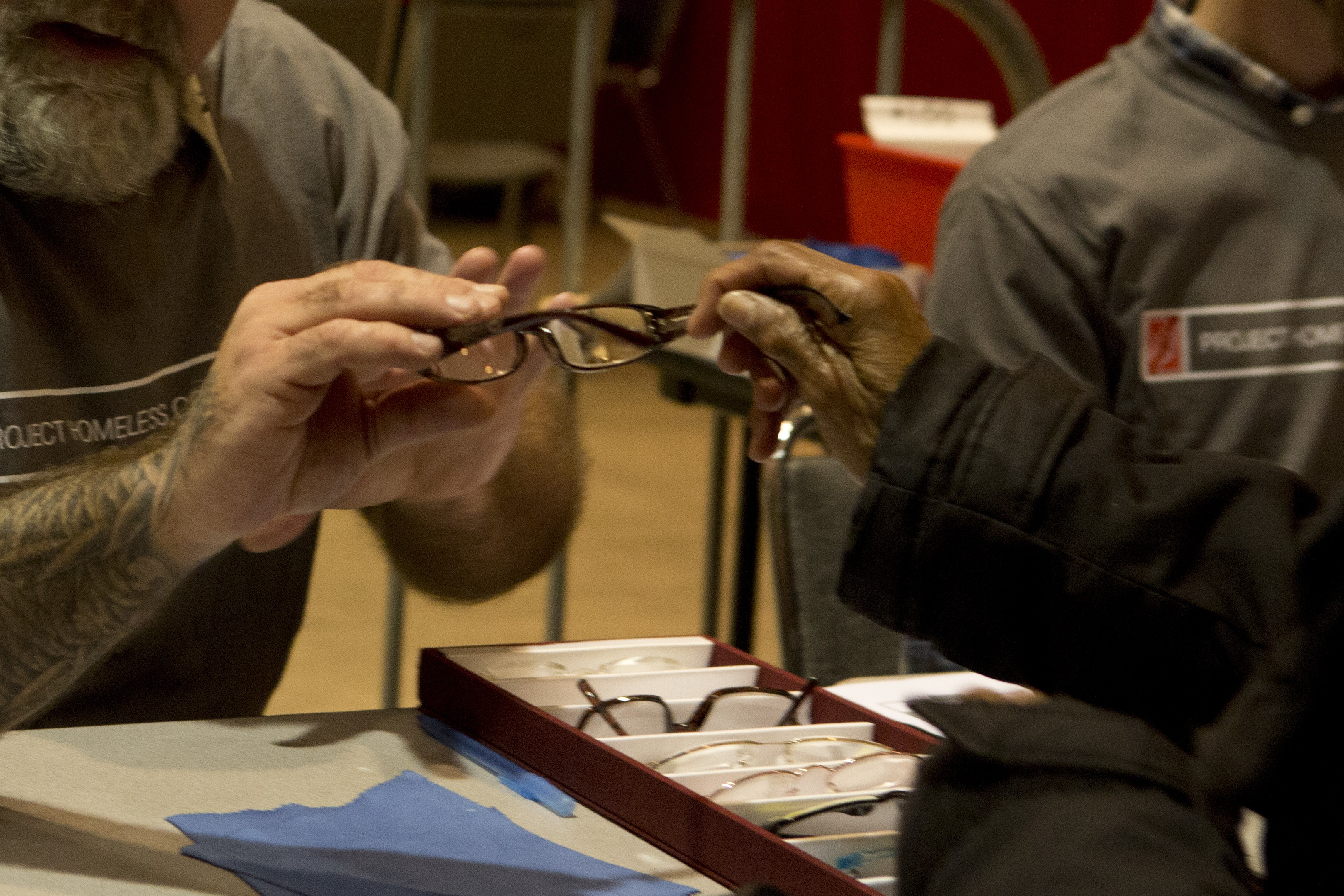
Glasses services. Photo: Project Homeless Connect, 2015.

RESEARCH LEAD 4 OF 4

Connect people to practical health care

Overview

Project Homeless Connect helps people experiencing homelessness access glasses, hearing care, dental care and other practical support.

Cost-effectiveness

About $150 to provide a pair of glasses.[1] We estimate $150K per DALY.[2] Historical program budget was $1.5M.[3]

Why investigate

Current services and fiscal sponsorship by Community Initiatives provide a clearer operating foundation. Clinical studies inform the model, but additional local treatment and lasting benefit are not directly measured.

Before recommending a grant

Confirm current project funding and sponsor restrictions, then identify additional appointments a grant would enable. Account for shared patients and partner contributions.

Organization and research

Project Homeless Connect

Full research report