

GiveBetter x New York City

Giving in New York City

Find promising ways to improve lives, guided by evidence and estimated impact.

Illustration of a city neighborhood and park

Look for meaningful impact

Compare how a donation could improve health and household resources in New York City.

Illustration of research books

Follow the evidence

Understand the outcomes, costs and assumptions behind each estimate.

Illustration of choosing a charity

Choose with care

Read the report and confirm what additional donations could achieve.

Per Scholas share image. Source: Per Scholas.

RESEARCH LEAD 1 OF 4

Per Scholas

Overview

Per Scholas, founded in the Bronx, runs free, full-time technology training courses for adults who are unemployed or in low-wage work. It now trains over 4,600 learners a year at more than 20 campuses, and helps graduates find jobs with employer partners. This in-depth review prices the organization’s whole cost per learner against earnings gains from the randomized WorkAdvance trial at its Bronx site.

Cost-effectiveness

We estimate $90K per DALY.[1] Nonprofit yearly budget is $51.1M.[2]

Why investigate

In a randomized trial of about 690 Bronx applicants, Per Scholas raised earnings in years 2–5 and 7–8; in year 6 participants earned $6,281 (20%) more than the control group.

Main reservation

Our working estimate is about $90K per DALY; all of it is income, and by year 10 the earnings gain had disappeared.

Organization and research

Two people working together at a laptop. Photo: Bottom Line.

RESEARCH LEAD 2 OF 4

Bottom Line

Overview

Bottom Line advises students from families under 200% of the poverty line with at least a 2.5 GPA, starting in their senior year of high school, on choosing, applying to and paying for college. Students who enroll at one of its partner colleges keep a Bottom Line advisor for up to six years, meeting several times a semester. This in-depth review prices the organization’s whole annual cost per new student against the extra bachelor’s degrees found in a randomized trial in Boston, Worcester and New York City.

Cost-effectiveness

We estimate $183K per DALY.[1] Nonprofit yearly budget is $23.2M.[2]

Why investigate

A randomized trial of 2,422 students found 7.6 percentage points more bachelor’s degrees within five years, a 16% increase; the New York City site alone showed 7.2 points.

Main reservation

Our working estimate is about $183K per DALY; all of it is income, and the earnings effect of the extra degrees has not yet been measured.

Organization and research

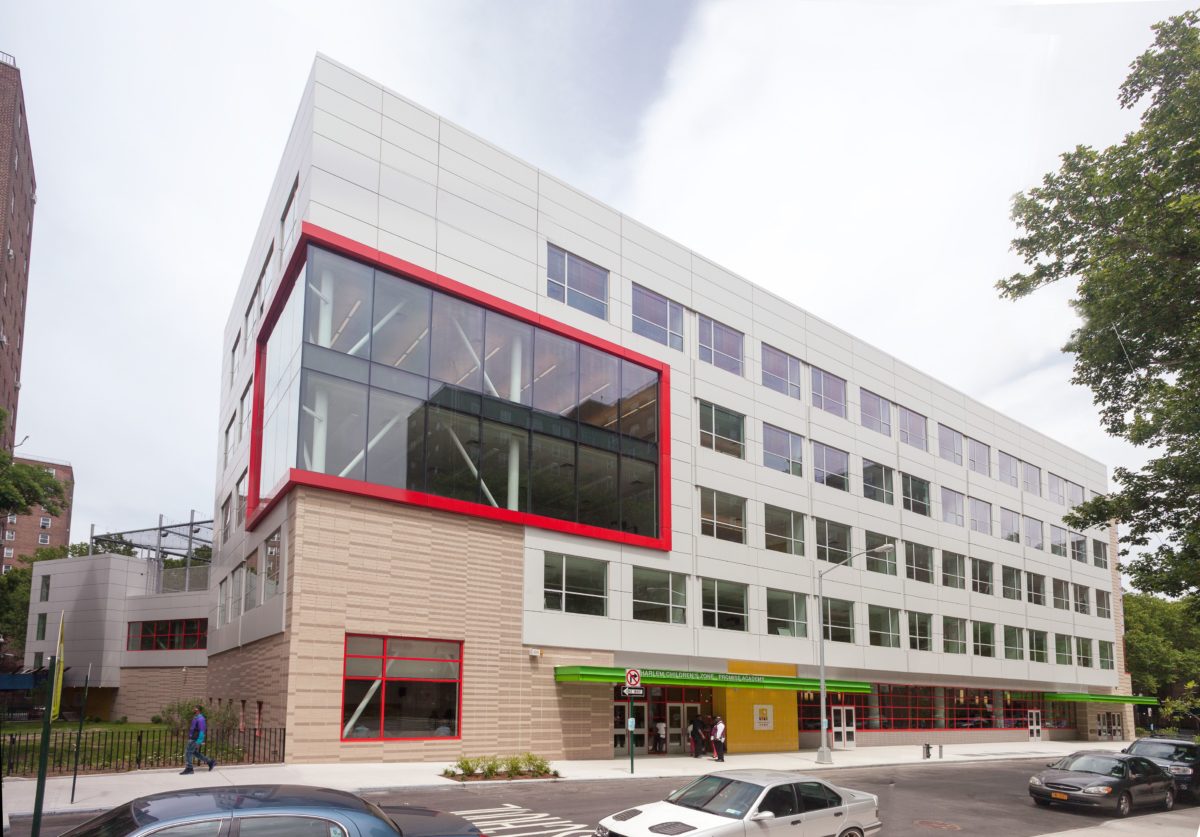
Promise Academy students. Photo: Harlem Children’s Zone.

RESEARCH LEAD 3 OF 4

Harlem Children's Zone

Overview

Harlem Children’s Zone provides a pipeline of services, from parenting classes and early childhood through after-school, college support and family programs, across a 97-block area of Harlem. It also runs the Promise Academy charter schools; HCZ reported serving 34,590 children and adults in FY22, 19,638 of them through its own programs. This in-depth review prices HCZ’s spending per person served over six school years against the adult earnings implied by Promise Academy’s lottery-based math gains.

Cost-effectiveness

We estimate $336K per DALY.[1] Nonprofit yearly budget is $124.7M.[2]

Why investigate

A lottery study of Promise Academy middle school applicants found math scores 0.283 standard deviations higher six years later; Arnold Ventures rates it Near Top Tier.

Main reservation

Our working estimate is about $336K per DALY; all of it is adult income inferred from test scores, and we do not credit the teen-pregnancy or incarceration effects.

Organization and research

Harlem Children's Zone

Full research report
St. Nicks Alliance logo. Source: St. Nicks Alliance.

RESEARCH LEAD 4 OF 4

St. Nicks Alliance

Overview

St. Nicks Alliance is a Brooklyn community organization that runs job training, affordable housing, youth programs and elder care. Its workforce programs train adults and young people for certifications in construction, HVAC, environmental remediation, building maintenance and healthcare, and it reports placing over 1,000 people a year in jobs or further education. This in-depth review charges the whole organization’s cost against only the earnings gains its environmental-remediation training produced in a randomized trial.

Cost-effectiveness

We estimate $527K per DALY.[1] Nonprofit yearly budget is $41.5M.[2]

Why investigate

In MDRC’s randomized WorkAdvance trial of about 480 applicants, St. Nicks’ training raised average earnings by 32% in year 10 and the share earning $45,000 or more by 7 points.

Main reservation

Our working estimate is about $527K per DALY; it counts only workforce earnings while charging the whole budget.

Organization and research

St. Nicks Alliance

Full research report