AI ClaimsRapid review

Jeff Speck · 2012

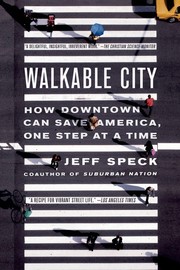
Walkable City

How Downtown Can Save America, One Step at a Time

Cover via Open Library

Rough AI truth score

83/100

Speck's compact prescription—make walking useful, safe, comfortable, and interesting—fits a broad evidence base on active travel and street design. The strongest effects are contextual, and walkability is not a substitute for affordability, accessibility, transit, or anti-displacement policy.

Based on three central claims · high confidence

The three claims

01Supported

People walk more where destinations are nearby, streets connect, and land uses are mixed.

Systematic reviews consistently associate destination accessibility, density, street connectivity, transit, and mixed use with active travel and physical activity. Self-selection and correlated neighborhood characteristics complicate effect sizes but do not erase the pattern.

02Mostly supported

Safer crossings, calmer traffic, continuous sidewalks, and appealing streets can increase walking and cycling.

Intervention reviews find promising and sometimes significant effects from accessibility and safety improvements, with stronger studies generally more favorable. Designs, follow-up periods, baseline context, and who benefits vary substantially across projects.

03Mostly supported

Prioritizing walkability can reduce driving, improve health, strengthen local commerce, and lower environmental burdens.

Evidence supports active-transport health gains and lower vehicle travel in compact, connected places. The full package depends on housing location, transit, pricing, income, climate, disability access, and rebound effects, so not every walkability project delivers every benefit.

Other claims worth checking
  • Downtown design should begin with the pedestrian experience.
  • Street geometry influences driver speed and perceived safety.

What this number means. It is an AI-generated first-pass judgment of three central factual or causal claims—not a rating, exhaustive fact-check, or human peer review. Claim credits are 100% for supported, 75% for mostly supported, 50% for mixed, and 25% for weak, then averaged and rounded. Lower confidence means the score should move more as better evidence arrives.

Method three-central-claims/0.1.0 · checked 2026-09-01 · 3/3 selected claims assessed · method and source audit