AI ClaimsRapid review

Stephen Greenblatt · 2011

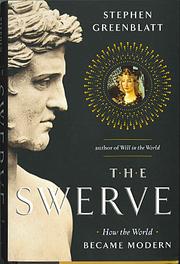
The Swerve

How the World Became Modern

Cover via Open Library

Rough AI truth score

67/100

Its account of Poggio and Lucretius is vivid and substantially grounded. Specialists sharply dispute its caricature of medieval intellectual life and its straight causal line from one manuscript's recovery to Renaissance modernity.

Based on three central claims · medium-high confidence

The three claims

01Supported

In 1417 Poggio Bracciolini recovered a manuscript of Lucretius's De rerum natura in a German monastery.

The broad event, date, and Poggio's role in returning the poem to circulation are accepted by specialists, even though the exact monastery and some narrative details remain uncertain because the discovery record is incomplete.

02Mostly supported

Lucretius's atomism, naturalism, and account of pleasure influenced important Renaissance and early modern thinkers.

Reception scholarship documents Lucretian engagement among figures including Machiavelli and Montaigne and wider circulation after the manuscript recovery. Influence differed by reader and often coexisted with Christian commitments rather than replacing them.

03Weak

The rediscovery of Lucretius caused the decisive swerve from a repressive medieval worldview into Renaissance modernity.

Historians criticize this as a straight-line, monocausal narrative that understates medieval humanism, manuscript transmission, religious diversity, and many economic and intellectual causes of the Renaissance. The poem mattered without creating modernity.

Other claims worth checking
  • Monastic copying preserved works it ideologically opposed.
  • Epicureanism offered an ethics of freedom from fear rather than indulgence.

What this number means. It is an AI-generated first-pass judgment of three central factual or causal claims—not a rating, exhaustive fact-check, or human peer review. Claim credits are 100% for supported, 75% for mostly supported, 50% for mixed, and 25% for weak, then averaged and rounded. Lower confidence means the score should move more as better evidence arrives.

Method three-central-claims/0.1.0 · checked 2026-09-01 · 3/3 selected claims assessed · method and source audit