AI ClaimsRapid review

Tracy Kidder · 1981

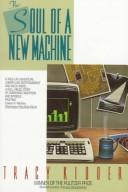
The Soul of a New Machine

Cover via Open Library

Rough AI truth score

83/100

Kidder's close reporting captures the pressure, craft, and organizational dynamics of Data General's Eagle project. Its team-centered drama is persuasive history, while its implied model of engineering culture is less universal than the story's fame can suggest.

Based on three central claims · medium confidence

The three claims

01Supported

Data General built the 32-bit Eagle computer through an intensely pressured, semi-autonomous engineering effort around 1979–1980.

Contemporary corporate history and later technical retrospectives corroborate the Eagle project's timing, competitive purpose, and unusual skunkworks character. Kidder's narrative emphasis is literary, but the project's central chronology and institutional setting are well established.

02Mostly supported

The Eagle team's success depended more on motivated individuals and informal culture than on formal management systems.

The reported team's autonomy and strong internal identity support this interpretation, and histories of computing document similar project cultures. Yet a finished minicomputer also depended on corporate resources, manufacturing, prior designs, and market strategy that a team portrait naturally backgrounds.

03Mostly supported

The Eagle project provides a broadly representative model of how successful computer engineering teams work.

Deadline pressure, iterative debugging, and intrinsic motivation recur across engineering histories, so the portrait has genuine general value. Still, this was one company, era, and product category; selection effects and Kidder's narrative focus limit confident generalization.

Other claims worth checking
  • Technical excellence can coexist with organizational conflict.
  • Narrative reporting can reveal engineering work that product histories omit.

What this number means. It is an AI-generated first-pass judgment of three central factual or causal claims—not a rating, exhaustive fact-check, or human peer review. Claim credits are 100% for supported, 75% for mostly supported, 50% for mixed, and 25% for weak, then averaged and rounded. Lower confidence means the score should move more as better evidence arrives.

Method three-central-claims/0.1.0 · checked 2026-09-01 · 3/3 selected claims assessed · method and source audit