AI ClaimsRapid review

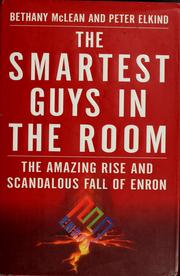
Bethany McLean and Peter Elkind · 2003

The Smartest Guys in the Room

The Amazing Rise and Scandalous Fall of Enron

Cover via Open Library

Rough AI truth score

92/100

Its account of deliberate financial deception, executive incentives, and manipulation is strongly backed by convictions and regulatory findings. California's crisis still had important supply, weather, infrastructure, and market-design causes beyond Enron.

Based on three central claims · high confidence

The three claims

01Supported

Enron executives used deceptive accounting and false statements to hide debt, losses, and weak business performance from investors.

Jury verdicts and DOJ records establish a prolonged scheme to misrepresent Enron's financial condition, including false statements to auditors and the market. The legal record strongly confirms the book's central fraud narrative.

02Supported

A high-pressure culture rewarding reported earnings and deal volume encouraged employees to conceal risk and manufacture performance.

The criminal scheme depended on repeated coordination across finance, business units, and executive leadership, while compensation rose with the inflated stock and reported results. Culture does not excuse individual decisions, but it plausibly reinforced them.

03Mostly supported

Enron traders created California's electricity crisis by exploiting deregulation and deliberately withholding or rerouting power.

FERC found Enron and other firms used manipulative strategies that prolonged and exacerbated harm. Drought, reduced supply, inadequate infrastructure, inconsistent rules, and flawed market design also created the vulnerable system.

Other claims worth checking
  • Analysts and auditors ignored warning signs because Enron generated fees and status.
  • The bankruptcy destroyed jobs, savings, and confidence in corporate reporting.

What this number means. It is an AI-generated first-pass judgment of three central factual or causal claims—not a rating, exhaustive fact-check, or human peer review. Claim credits are 100% for supported, 75% for mostly supported, 50% for mixed, and 25% for weak, then averaged and rounded. Lower confidence means the score should move more as better evidence arrives.

Method three-central-claims/0.1.0 · checked 2026-09-01 · 3/3 selected claims assessed · method and source audit