AI ClaimsRapid review

Daniel Yergin · 1990

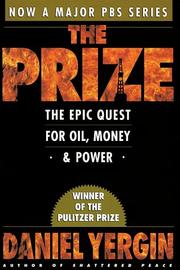
The Prize

The Epic Quest for Oil, Money, and Power

Cover via Open Library

Rough AI truth score

75/100

Yergin persuasively makes oil central to industrial growth, warfare, corporate power, and twentieth-century geopolitics. Oil is a crucial thread, but the narrative can overcenter executives and states while underweighting labor, colonial coercion, environmental damage, and other energy systems.

Based on three central claims · medium confidence

The three claims

01Supported

Petroleum became foundational to transport, mechanized warfare, petrochemicals, and modern industrial economies.

Government energy histories document oil's expanding uses, production systems, military importance, and economy-wide role. The transition was uneven and coexisted with coal, electricity, gas, and biomass, but petroleum's centrality is not in doubt.

02Mostly supported

Control of oil supply and transport repeatedly shaped diplomacy, war planning, corporate strategy, and state power.

The 1973 embargo and import dependence visibly changed prices, legislation, reserves, and foreign policy, while earlier wars also treated fuel as strategic. Oil matters alongside security alliances, ideology, domestic politics, and broader economic capacity.

03Mixed

Oil is the dominant master explanation for twentieth-century international politics and economic power.

Energy constraints and petroleum rents explain many otherwise puzzling decisions, making oil an unusually powerful lens. Nuclear weapons, ideology, institutions, demographics, technology, finance, coal, and industrial organization often had independent or greater force.

Other claims worth checking
  • Oil companies often operated as geopolitical actors.
  • Price shocks reveal dependencies hidden during abundance.

What this number means. It is an AI-generated first-pass judgment of three central factual or causal claims—not a rating, exhaustive fact-check, or human peer review. Claim credits are 100% for supported, 75% for mostly supported, 50% for mixed, and 25% for weak, then averaged and rounded. Lower confidence means the score should move more as better evidence arrives.

Method three-central-claims/0.1.0 · checked 2026-09-01 · 3/3 selected claims assessed · method and source audit