AI ClaimsRapid review

Robert A. Caro · 1974

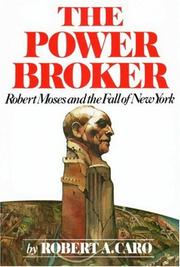
The Power Broker

Robert Moses and the Fall of New York

Cover via Open Library

Rough AI truth score

75/100

Caro decisively exposed how Robert Moses accumulated durable authority through overlapping unelected offices and used it to reshape New York. The great-man architecture sometimes understates the coalitions, institutions, public demand, and broader planning culture that enabled him.

Based on three central claims · medium-high confidence

The three claims

01Supported

Robert Moses accumulated extraordinary power through public authorities, overlapping offices, legal expertise, patronage, and control of capital budgets without winning elected office.

Moses's long tenure, authority network, bond finance, and project control are extensively documented. Caro's institutional reporting remains the foundation for understanding how this form of unelected power worked.

02Mostly supported

Moses's highway-centered building displaced communities and favored automobile access, often with racially unequal consequences.

Road alignments, clearance, housing losses, transit neglect, and unequal recreational access are well documented. Specific intent claims, including some bridge stories, remain contested, while federal policy and metropolitan demand also shaped outcomes.

Other claims worth checking
  • Public works can create political power rather than merely express it.
  • Administrative mastery can hollow out formal democratic accountability.

What this number means. It is an AI-generated first-pass judgment of three central factual or causal claims—not a rating, exhaustive fact-check, or human peer review. Claim credits are 100% for supported, 75% for mostly supported, 50% for mixed, and 25% for weak, then averaged and rounded. Lower confidence means the score should move more as better evidence arrives.

Method three-central-claims/0.1.0 · checked 2026-09-01 · 3/3 selected claims assessed · method and source audit