AI ClaimsRapid review

Callum Roberts · 2012

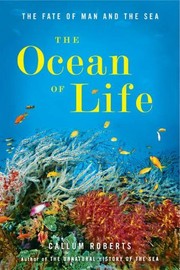
The Ocean of Life

The Fate of Man and the Sea

Cover via Open Library

Rough AI truth score

75/100

Its account of cumulative ocean stress is strong: fishing, warming, acidification, deoxygenation, pollution, and habitat loss interact. Global framing sometimes smooths over sharply different stock trajectories, regional institutions, and the conditions under which recovery succeeds.

Based on three central claims · medium-high confidence

The three claims

02Mostly supported

Human-caused warming, acidification, and oxygen loss are already changing marine ecosystems.

Multiple observational records and attribution studies support the physical and chemical trends and rising ecosystem risk. Species responses vary, while local pollution and fishing often compound climate pressure.

03Mostly supported

Marine ecosystems can recover substantially when extraction and habitat pressures are effectively reduced.

Recoveries after protection, rebuilding plans, and pollution controls show genuine resilience. Outcomes depend on compliance, ecological connectivity, climate exposure, time, and the severity of prior damage.

Other claims worth checking
  • Ocean services support food security and climate regulation.
  • Cumulative stress can matter more than any single pressure.

What this number means. It is an AI-generated first-pass judgment of three central factual or causal claims—not a rating, exhaustive fact-check, or human peer review. Claim credits are 100% for supported, 75% for mostly supported, 50% for mixed, and 25% for weak, then averaged and rounded. Lower confidence means the score should move more as better evidence arrives.

Method three-central-claims/0.1.0 · checked 2026-09-01 · 3/3 selected claims assessed · method and source audit