AI ClaimsRapid review

Siddhartha Mukherjee · 2016

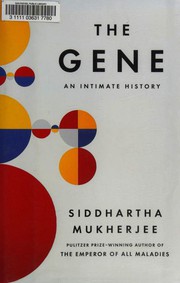
The Gene

An Intimate History

Cover via Open Library

Rough AI truth score

92/100

The molecular history and warning against simple genetic fate are well grounded; its frontier discussion of epigenetic inheritance and future intervention is necessarily more provisional.

Based on three central claims · medium-high confidence

The three claims

01Supported

Genes are DNA-based units of inheritance whose information helps specify biological traits.

Genes are inherited DNA segments that encode functional RNA or contribute instructions for proteins, and DNA sequence carries biological information. The modern definition has fuzzy boundaries and includes regulation, but the book's central molecular account is secure.

02Supported

Most human traits and common diseases cannot be reduced to one gene because genes interact with other genes and environments.

Complex traits generally reflect many variants, regulatory systems, development, and physical and social exposures. Both genome-science guidance and later conceptual reviews reject the idea that a DNA variant mechanically fixes most phenotypes while preserving real genetic causation.

03Mostly supported

Genome editing makes deliberate inherited biological change technically plausible and creates serious medical and ethical risks.

CRISPR and related tools can alter DNA with unprecedented precision, including changes that could enter the germ line. Safe, predictable enhancement remains far from routine because off-target effects, mosaicism, polygenic traits, consent across generations, and social inequality remain unresolved.

Other claims worth checking
  • Eugenics repeatedly converted heredity research into coercive social policy.
  • The definition of a gene has changed as molecular biology has exposed regulatory complexity.

What this number means. It is an AI-generated first-pass judgment of three central factual or causal claims—not a rating, exhaustive fact-check, or human peer review. Claim credits are 100% for supported, 75% for mostly supported, 50% for mixed, and 25% for weak, then averaged and rounded. Lower confidence means the score should move more as better evidence arrives.

Method three-central-claims/0.1.0 · checked 2026-09-01 · 3/3 selected claims assessed · method and source audit