AI ClaimsRapid review

Sam Kean · 2010

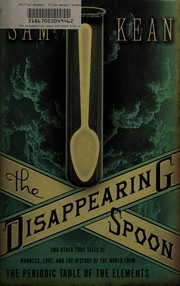
The Disappearing Spoon

And Other True Tales of Madness, Love, and the History of the World from the Periodic Table of the Elements

Cover via Open Library

Rough AI truth score

92/100

The periodic-table science and its core historical milestones are reliable. The colorful element stories are grounded in real properties and events, though their causal role is sometimes simplified for narrative force.

Based on three central claims · medium-high confidence

The three claims

02Supported

Moseley's atomic numbers corrected periodic order, while electron structure explains the recurrence of chemical properties.

X-ray measurements tied element identity to nuclear charge and resolved ordering anomalies left by atomic weight. Quantum electron configurations, especially valence structure, then supplied the modern physical explanation for periodic chemical behavior.

03Mostly supported

The distinctive properties and availability of elements materially shaped technologies, medicine, economies, and historical events.

Elemental properties constrain materials, energy, toxicity, and industrial processes, so chemistry genuinely channels history. Individual anecdotes can compress multicausal events into one element-centered story, making the book strongest as connected case studies rather than a total theory.

Other claims worth checking
  • Gallium can melt in a person's hand and inspired the book's title story.
  • Scientific priority disputes often reflect institutions and nationalism as well as discovery dates.

What this number means. It is an AI-generated first-pass judgment of three central factual or causal claims—not a rating, exhaustive fact-check, or human peer review. Claim credits are 100% for supported, 75% for mostly supported, 50% for mixed, and 25% for weak, then averaged and rounded. Lower confidence means the score should move more as better evidence arrives.

Method three-central-claims/0.1.0 · checked 2026-09-01 · 3/3 selected claims assessed · method and source audit