AI ClaimsRapid review

Norman Doidge · 2007

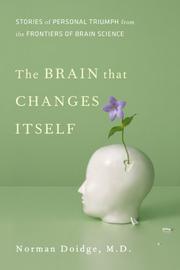
The Brain That Changes Itself

Stories of Personal Triumph from the Frontiers of Brain Science

Cover via Open Library

Rough AI truth score

67/100

Lifelong neuroplasticity and meaningful rehabilitation are real. The book's case-driven presentation often makes feasibility look like general efficacy and does not consistently distinguish mechanistic plausibility from evidence that a named treatment works reliably.

Based on three central claims · medium confidence

The three claims

02Mostly supported

Targeted rehabilitation can recruit plasticity to improve selected sensory and motor functions.

Controlled studies support benefits for some structured rehabilitation and sensory-substitution programs, but effect size, retention, dosage, and patient selection vary. Improvement in a trained function should not be generalized into unrestricted recovery.

Other claims worth checking
  • Cultural practices can alter trained neural systems.
  • Maladaptive plasticity can help sustain pain, craving, or compulsive behavior.

What this number means. It is an AI-generated first-pass judgment of three central factual or causal claims—not a rating, exhaustive fact-check, or human peer review. Claim credits are 100% for supported, 75% for mostly supported, 50% for mixed, and 25% for weak, then averaged and rounded. Lower confidence means the score should move more as better evidence arrives.

Method three-central-claims/0.1.0 · checked 2026-09-01 · 3/3 selected claims assessed · method and source audit