AI ClaimsRapid review

Bessel van der Kolk · 2014

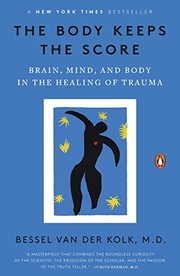
The Body Keeps the Score

Brain, Mind, and Body in the Healing of Trauma

Cover via Open Library

Rough AI truth score

67/100

The book is right that trauma can produce persistent psychological and physiological symptoms and that effective treatment often requires more than recounting an event. It overstates the maturity of some neurobiological stories and body-based treatments: trauma-focused psychotherapies and EMDR have guideline support, while yoga, somatic experiencing, and neurofeedback remain less established.

Based on three central claims · medium-high confidence

The three claims

01Supported

Traumatic exposure can produce persistent changes in attention, threat responses, memory, emotion, sleep, bodily arousal, and relationships.

PTSD diagnostic evidence, longitudinal studies, and clinical guidelines support enduring multi-system symptoms after trauma. Responses are heterogeneous, many exposed people recover without PTSD, and observed neural or hormonal differences do not imply permanent damage.

02Mostly supported

Trauma-focused psychotherapies, including exposure-based approaches and EMDR, can substantially reduce PTSD symptoms for many patients.

Major guidelines recommend several trauma-focused psychotherapies and conditionally support EMDR based on randomized evidence. No therapy works for everyone, dropout and access matter, and comparative superiority among credible treatments is often uncertain.

03Weak

Body-oriented methods such as yoga, somatic experiencing, and neurofeedback are established core treatments that repair trauma when talking therapies fail.

Small trials and patient reports suggest potential adjunctive benefits for some methods, but evidence is heterogeneous and often underpowered. The 2023 VA/DoD guideline finds insufficient evidence for or against yoga, somatic experiencing, and multiple mind-body interventions as PTSD treatments.

Other claims worth checking
  • Trauma treatment should restore present-day safety, agency, and connection.
  • Brain images illustrate group differences but rarely diagnose an individual or prove one causal pathway.

What this number means. It is an AI-generated first-pass judgment of three central factual or causal claims—not a rating, exhaustive fact-check, or human peer review. Claim credits are 100% for supported, 75% for mostly supported, 50% for mixed, and 25% for weak, then averaged and rounded. Lower confidence means the score should move more as better evidence arrives.

Method three-central-claims/0.1.0 · checked 2026-09-01 · 3/3 selected claims assessed · method and source audit