AI ClaimsRapid review

Michael Lewis · 2010

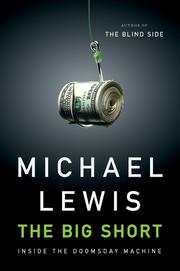
The Big Short

Inside the Doomsday Machine

Cover via Open Library

Rough AI truth score

92/100

Its account of deteriorating mortgage quality, opaque securitization, rating failures, and contrarian short sellers tracks the official crisis record. It personalizes a systemic event and gives less space to macroeconomic and policy causes.

Based on three central claims · high confidence

The three claims

01Supported

Mortgage lenders and Wall Street securitizers expanded weak subprime loans while disguising correlated risk inside highly rated securities.

The Financial Crisis Inquiry Commission documented collapsing underwriting standards, complex securitization, heavy leverage, and rating failures. The machinery described by Lewis is central to the official causal record, not merely hindsight from a few traders.

02Supported

A small group of investors correctly identified the housing-credit bubble and made large profits by buying credit-default-swap protection.

Trade records and later investigations confirm that investors including those profiled established short positions against mortgage bonds before the crash and profited when defaults rose. Their timing, financing, and counterparties still exposed them to substantial risk.

03Mostly supported

Perverse incentives and institutional blindness made the crisis effectively inevitable once the mortgage machine reached scale.

Compensation, originate-to-distribute lending, ratings conflicts, leverage, and weak oversight amplified risk and made a severe correction likely. The timing and form of panic were contingent, and policy choices could have reduced losses or altered transmission.

Other claims worth checking
  • Rating agencies did not understand or adequately test structured mortgage products.
  • Deal complexity helped participants avoid confronting the underlying loans.

What this number means. It is an AI-generated first-pass judgment of three central factual or causal claims—not a rating, exhaustive fact-check, or human peer review. Claim credits are 100% for supported, 75% for mostly supported, 50% for mixed, and 25% for weak, then averaged and rounded. Lower confidence means the score should move more as better evidence arrives.

Method three-central-claims/0.1.0 · checked 2026-09-01 · 3/3 selected claims assessed · method and source audit