AI ClaimsRapid review

Alain de Botton · 2006

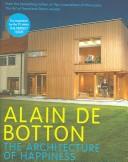
The Architecture of Happiness

Cover via Open Library

Rough AI truth score

67/100

De Botton is right that surroundings can affect mood, identity, memory, and aspiration, and that architectural concern is not frivolous. The book's philosophical examples are evocative rather than causal evidence, and beauty cannot reliably produce happiness independent of health, security, relationships, and control.

Based on three central claims · medium-low confidence

The three claims

02Mostly supported

People use architecture and interiors to express identities, values, ideals, and memories.

Material culture, personalization, heritage, and place-attachment research support environments as social and symbolic media. Meanings are negotiated, culturally variable, and constrained by property, cost, landlords, disability, and inherited building stock.

03Mixed

Beautiful architecture can reliably make people happier by reminding them of their best selves.

Aesthetic pleasure, order, light, nature, and meaningful places can contribute to wellbeing, but preferences vary and adaptation is rapid. Housing security, health, relationships, agency, affordability, maintenance, and neighborhood conditions can overwhelm formal beauty.

Other claims worth checking
  • Architectural taste reveals desired character traits.
  • Concern for beauty is a legitimate everyday need rather than an elite luxury.

What this number means. It is an AI-generated first-pass judgment of three central factual or causal claims—not a rating, exhaustive fact-check, or human peer review. Claim credits are 100% for supported, 75% for mostly supported, 50% for mixed, and 25% for weak, then averaged and rounded. Lower confidence means the score should move more as better evidence arrives.

Method three-central-claims/0.1.0 · checked 2026-09-01 · 3/3 selected claims assessed · method and source audit