AI ClaimsRapid review

Rachel Carson · 1962

Silent Spring

The Environmental Classic That Launched a Movement

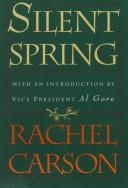
Cover via Open Library

Rough AI truth score

100/100

The three central scientific claims are strongly confirmed: persistent organochlorines accumulated through food webs, DDE thinned sensitive birds' eggshells, and widespread pesticide use created ecological harms ignored by narrow pest-control accounting.

Based on three central claims · high confidence

The three claims

01Supported

Persistent pesticides such as DDT move beyond target insects, remain in ecosystems, and concentrate through food chains.

EPA reviews document environmental persistence, residues in organisms, and higher burdens among predators. Carson sometimes wrote before mechanisms were fully resolved, but the food-web accumulation central to her warning is established.

02Supported

DDT-related compounds caused eggshell thinning and reproductive failure in sensitive raptors and fish-eating birds.

Laboratory, field, and population evidence converged on DDE-induced shell thinning, with marked species differences. The recovery of several affected birds after restrictions further supports the causal link alongside habitat and protection changes.

03Supported

Broad, prophylactic chemical spraying imposed ecological and human risks that regulators and manufacturers had systematically underestimated.

Later environmental law and risk assessment adopted Carson's core demand to consider persistence, non-target effects, exposure, and alternatives. Individual pesticide hazards differ, but the critique of indiscriminate use was empirically and institutionally vindicated.

Other claims worth checking
  • Chemical pest control can provoke resistance and secondary pest outbreaks.
  • Public participation is necessary when technologies diffuse environmental risk.

What this number means. It is an AI-generated first-pass judgment of three central factual or causal claims—not a rating, exhaustive fact-check, or human peer review. Claim credits are 100% for supported, 75% for mostly supported, 50% for mixed, and 25% for weak, then averaged and rounded. Lower confidence means the score should move more as better evidence arrives.

Method three-central-claims/0.1.0 · checked 2026-09-01 · 3/3 selected claims assessed · method and source audit