AI ClaimsRapid review

Malcolm Gladwell · 2008

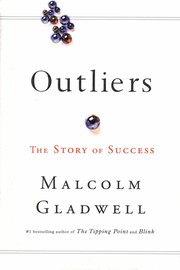
Outliers

The Story of Success

Cover via Open Library

Rough AI truth score

67/100

Gladwell's strongest contribution is to relocate success inside opportunity structures, timing, culture, and cumulative advantage. Deliberate practice matters greatly, but the famous 10,000-hour threshold is not a scientific rule and stories about elite performers do not identify one general causal recipe.

Based on three central claims · medium confidence

The three claims

01Supported

Exceptional achievement reflects social opportunity, timing, institutions, and cumulative advantage as well as individual talent and effort.

Research on birth-date selection, family resources, education, networks, and cumulative advantage shows that opportunity structures shape who reaches elite pipelines. Individual ability, motivation, randomness, and domain-specific constraints also contribute, so context is necessary without being exclusive.

03Weak

Roughly 10,000 hours of practice is a general threshold required to attain world-class expertise.

The number summarized averages from selected musicians rather than a universal cutoff, and elite performers reach levels with widely varying practice totals. Practice type and quality matter, while genetics, starting age, coaching, opportunity, and domain structure explain substantial remaining variance.

Other claims worth checking
  • Relative-age cutoffs can compound early advantage.
  • Cultural legacies can influence communication and work norms.

What this number means. It is an AI-generated first-pass judgment of three central factual or causal claims—not a rating, exhaustive fact-check, or human peer review. Claim credits are 100% for supported, 75% for mostly supported, 50% for mixed, and 25% for weak, then averaged and rounded. Lower confidence means the score should move more as better evidence arrives.

Method three-central-claims/0.1.0 · checked 2026-09-01 · 3/3 selected claims assessed · method and source audit