AI ClaimsRapid review

Jerome Groopman · 2007

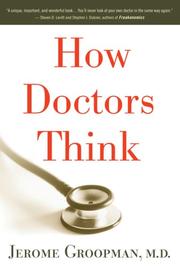
How Doctors Think

Cover via Open Library

Rough AI truth score

67/100

Groopman correctly shows that diagnosis is vulnerable to anchoring, availability, framing, and premature closure, and that patients can help reopen reasoning. Cognitive-bias labels are descriptive, not a complete fix: expertise, systems, test stewardship, teamwork, follow-up, and structured decision support matter as much as generic debiasing advice.

Based on three central claims · medium-high confidence

The three claims

01Mostly supported

Clinical decisions are vulnerable to predictable cognitive biases including anchoring, availability, framing, and premature closure.

Systematic reviews find recurring associations between named cognitive biases and diagnostic or treatment decisions. Definitions, simulated cases, publication bias, and retrospective attribution limit prevalence estimates, while many errors combine cognitive and system factors.

02Mostly supported

Patients can improve diagnostic reasoning by correcting the story, stating what does not fit, and asking what alternatives have been considered.

Diagnosis is a collaborative process, and patient reports, records, follow-up, and questions can reveal missing data and challenge premature closure. Power differences, time pressure, illness, language, and clinician response constrain this contribution; responsibility for safe diagnosis remains institutional and professional.

03Mixed

Learning the names of cognitive biases and consciously slowing down will reliably prevent diagnostic error.

Structured reflection and deliberate review can help in selected tasks, but generic debiasing transfer is inconsistent. Better information flow, teamwork, decision support, workload, continuity, test follow-up, calibration, and specialty knowledge are needed alongside metacognition.

Other claims worth checking
  • Pattern recognition is indispensable expertise and a source of error.
  • Second opinions are most useful when they are genuinely independent.

What this number means. It is an AI-generated first-pass judgment of three central factual or causal claims—not a rating, exhaustive fact-check, or human peer review. Claim credits are 100% for supported, 75% for mostly supported, 50% for mixed, and 25% for weak, then averaged and rounded. Lower confidence means the score should move more as better evidence arrives.

Method three-central-claims/0.1.0 · checked 2026-09-01 · 3/3 selected claims assessed · method and source audit