AI ClaimsRapid review

Angela Duckworth · 2016

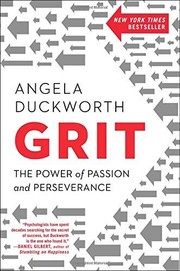
Grit

The Power of Passion and Perseverance

Cover via Open Library

Rough AI truth score

50/100

Duckworth is right that sustained effort and commitment matter, but grit is a modest predictor rather than a dominant secret of success. Its overlap with conscientiousness, weaker consistency-of-interest facet, and uncertain intervention evidence substantially narrow the book's headline claim.

Based on three central claims · medium confidence

The three claims

01Mostly supported

Perseverance toward long-term goals predicts achievement and retention beyond raw talent alone.

Longitudinal studies and meta-analyses find a positive association, especially for perseverance of effort, and talent plainly does not convert automatically into completion. Effects are modest and partly reflect conscientiousness, opportunity, prior achievement, and selection.

02Mixed

Grit is a coherent trait distinct from conscientiousness and substantially improves prediction of success.

Some studies find incremental prediction and support combining passion with perseverance. Meta-analysis finds high overlap with conscientiousness, weak internal support for consistency of interests, and small gains after established traits and cognitive ability are included.

03Weak

Schools and organizations can teach grit in ways that reliably cause substantial improvements in performance.

Goal-setting, practice, mentoring, and belonging interventions can help particular students, but evidence that changing a grit score causes large durable gains is limited. Emphasizing persistence can also obscure poor strategy, structural barriers, harmful environments, or the value of quitting.

Other claims worth checking
  • Interest can deepen through engagement rather than arrive fully formed.
  • Purpose and deliberate practice can sustain effort.

What this number means. It is an AI-generated first-pass judgment of three central factual or causal claims—not a rating, exhaustive fact-check, or human peer review. Claim credits are 100% for supported, 75% for mostly supported, 50% for mixed, and 25% for weak, then averaged and rounded. Lower confidence means the score should move more as better evidence arrives.

Method three-central-claims/0.1.0 · checked 2026-09-01 · 3/3 selected claims assessed · method and source audit