AI ClaimsRapid review

John Vaillant · 2023

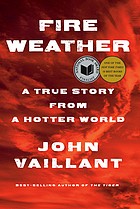
Fire Weather

A True Story from a Hotter World

Cover via Open Library

Rough AI truth score

75/100

The Fort McMurray disaster and worsening fire-weather background are well supported. Its petrocene feedback is illuminating, but attributing one ignition and urban loss chain directly to climate remains more complex.

Based on three central claims · medium-high confidence

The three claims

01Supported

The 2016 Horse River wildfire forced roughly 88,000 people from Fort McMurray and destroyed thousands of structures in Canada's costliest disaster.

Official and insurance reviews document the rapid urban evacuation, widespread structure loss, and unprecedented insured cost. Wind, dry fuels, ember transport, and vulnerable building edges helped the forest fire become an urban conflagration.

02Mostly supported

Human-caused warming is increasing the hot, dry fire-weather conditions that make extreme boreal fires more likely and difficult to control.

Canadian assessments find strong warming and increasing fire-weather risk, consistent with longer seasons and drier fuels. Event-attribution studies for the exact 2016 conditions vary substantially by model, so climate raised background risk without uniquely causing the fire.

03Mixed

Fort McMurray's destruction is a direct feedback of the oil-sands economy: fossil-fuel extraction warmed the climate that burned its own city.

The city exists at large scale because of bitumen production, and fossil emissions drive global warming that worsens fire risk. The specific disaster also depended on ignition, weather, boreal ecology, land use, building materials, preparedness, and chance.

Other claims worth checking
  • Modern petrochemical-filled homes can release extraordinary heat once ignited.
  • Fire suppression and settlement expansion have increased exposure at many wildland–urban edges.

What this number means. It is an AI-generated first-pass judgment of three central factual or causal claims—not a rating, exhaustive fact-check, or human peer review. Claim credits are 100% for supported, 75% for mostly supported, 50% for mixed, and 25% for weak, then averaged and rounded. Lower confidence means the score should move more as better evidence arrives.

Method three-central-claims/0.1.0 · checked 2026-09-01 · 3/3 selected claims assessed · method and source audit