AI ClaimsRapid review

Michael A. Hiltzik · 1999

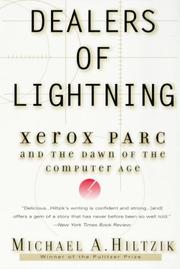
Dealers of Lightning

Xerox PARC and the Dawn of the Computer Age

Cover via Open Library

Rough AI truth score

83/100

Hiltzik convincingly presents PARC as an exceptional cluster behind the Alto, Ethernet, laser printing, and graphical interaction. The familiar story that Xerox simply failed to commercialize everything is too neat: diffusion, productization, market timing, and prior invention were more distributed.

Based on three central claims · high confidence

The three claims

01Supported

Xerox PARC developed or refined several foundations of modern personal computing, including the Alto, graphical interaction, Ethernet, and networked printing.

Computer History Museum records document the Alto's bitmapped display, mouse-based interface, WYSIWYG software, Ethernet, and laser-printer network. 'Developed or refined' is important because several underlying ideas had earlier roots outside PARC.

02Mostly supported

PARC's research culture enabled unusually ambitious integration of computing, networking, and document technologies.

The integrated Alto environment and closely linked research projects are strong evidence for a productive institutional culture. Outcomes also depended on exceptional funding, recruited talent, external university research, and a particular historical window.

03Mostly supported

Xerox failed to capture the value of PARC mainly because corporate executives could not understand what researchers had invented.

There was a real gap between research achievements and mass-market capture, and later firms benefited from PARC's influence. Yet Xerox commercialized some technologies, while cost, product readiness, organizational incentives, and market timing complicate a simple executive-blindness explanation.

Other claims worth checking
  • Research labs can create value that their sponsors do not fully capture.
  • Innovation often comes from systems rather than isolated components.

What this number means. It is an AI-generated first-pass judgment of three central factual or causal claims—not a rating, exhaustive fact-check, or human peer review. Claim credits are 100% for supported, 75% for mostly supported, 50% for mixed, and 25% for weak, then averaged and rounded. Lower confidence means the score should move more as better evidence arrives.

Method three-central-claims/0.1.0 · checked 2026-09-01 · 3/3 selected claims assessed · method and source audit