AI ClaimsRapid review

Dambisa Moyo · 2009

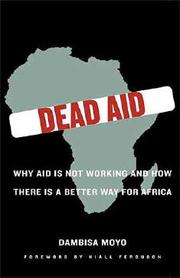
Dead Aid

Why Aid Is Not Working and How There Is a Better Way for Africa

Cover via Open Library

Rough AI truth score

50/100

Moyo correctly highlights dependency, corruption, and accountability risks in long-term government-to-government aid. Her sweeping causal indictment is not supported across aid types, and the market-finance alternative underestimated debt, currency, and refinancing risks that later African borrowing made plain.

Based on three central claims · medium confidence

The three claims

01Mostly supported

Long-term aid flows can weaken domestic accountability, encourage rent seeking, and create dependency in recipient governments.

Budget support and politically allocated aid can reduce reliance on taxpayers and create opportunities for capture, especially under weak institutions. Donor conditions, civil-society channels, transparent procurement, and results-based programs change these risks substantially.

02Weak

Development aid has been the principal cause of Africa's poor growth and should be rapidly ended.

Aid has sometimes financed failed projects and supported predatory regimes, but Africa's outcomes also reflect conflict, colonial legacies, commodity shocks, geography, institutions, disease, and domestic policy. Meta-studies find heterogeneous rather than uniformly negative growth effects.

03Mixed

African governments can replace aid safely with bonds, trade, foreign investment, remittances, microfinance, and Chinese finance.

Diversified private and public finance can strengthen discipline and expand investment, and trade and remittances have large benefits. Sovereign borrowing creates currency and rollover risks, investors also misprice governance, and health or fragile-state needs may not generate commercial returns.

Other claims worth checking
  • Aid-funded goods can undercut local producers.
  • African policymakers should diversify external finance.

What this number means. It is an AI-generated first-pass judgment of three central factual or causal claims—not a rating, exhaustive fact-check, or human peer review. Claim credits are 100% for supported, 75% for mostly supported, 50% for mixed, and 25% for weak, then averaged and rounded. Lower confidence means the score should move more as better evidence arrives.

Method three-central-claims/0.1.0 · checked 2026-09-01 · 3/3 selected claims assessed · method and source audit