AI ClaimsRapid review

Liza Mundy · 2017

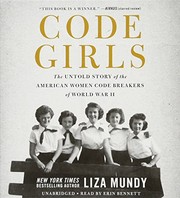
Code Girls

The Untold Story of the American Women Code Breakers of World War II

Cover via Open Library

Rough AI truth score

92/100

Archival and NSA records strongly corroborate the scale, substance, and secrecy of American women's wartime cryptologic work. Claims about exactly how much it shortened the war or how many lives it saved remain inherently counterfactual.

Based on three central claims · high confidence

The three claims

01Supported

More than 10,000 American women were recruited into secret Army and Navy codebreaking work during World War II.

The National Archives documents a coordinated recruitment of more than 10,000 women and the surviving personnel, training, and work records. NSA histories independently confirm that thousands served as analysts, intercept operators, and technicians.

03Mostly supported

Their codebreaking shortened the war and saved countless lives, while secrecy largely erased their contribution for decades.

Signals intelligence clearly improved Allied operations, and strict secrecy kept many families unaware of the women's work. The magnitude of lives saved or time shortened cannot be directly observed and varies by theater and cryptologic target.

Other claims worth checking
  • Female cryptanalysts were paid less and denied recognition available to men.
  • Wartime cryptology opened durable technical careers for some women.

What this number means. It is an AI-generated first-pass judgment of three central factual or causal claims—not a rating, exhaustive fact-check, or human peer review. Claim credits are 100% for supported, 75% for mostly supported, 50% for mixed, and 25% for weak, then averaged and rounded. Lower confidence means the score should move more as better evidence arrives.

Method three-central-claims/0.1.0 · checked 2026-09-01 · 3/3 selected claims assessed · method and source audit