AI ClaimsRapid review

Mark Kurlansky · 1997

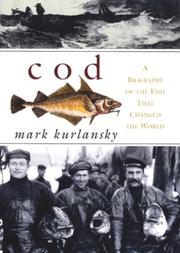
Cod

A Biography of the Fish That Changed the World

Cover via Open Library

Rough AI truth score

92/100

Cod's economic importance and the modern collapse are exceptionally well documented. The book is right about industrial overexploitation, while later work gives climate, food-web change, and management failure more explicit roles.

Based on three central claims · high confidence

The three claims

02Supported

Industrial-scale harvesting and management failures were central causes of the northern cod collapse and 1992 moratorium.

Catch reconstructions, fishery histories, and post-collapse analyses document enormous removals, technological intensification, optimistic assessments, and delayed restraint. Environmental change contributed, but it does not erase the central role of fishing pressure.

03Mostly supported

The collapse was not a simple morality tale of one fleet or technology; ecological change and multiple fishing sectors affected both decline and recovery.

Evidence implicates foreign and domestic fleets, offshore and inshore effort, recruitment, prey, temperature, and post-collapse ecosystem shifts. Their relative weights differ by period and stock, so one culprit cannot explain the full trajectory.

Other claims worth checking
  • Preservation made cod unusually suitable for supplying distant markets.
  • The moratorium produced one of Canada's largest mass layoffs and transformed outport life.

What this number means. It is an AI-generated first-pass judgment of three central factual or causal claims—not a rating, exhaustive fact-check, or human peer review. Claim credits are 100% for supported, 75% for mostly supported, 50% for mixed, and 25% for weak, then averaged and rounded. Lower confidence means the score should move more as better evidence arrives.

Method three-central-claims/0.1.0 · checked 2026-09-01 · 3/3 selected claims assessed · method and source audit