AI ClaimsRapid review

Bryan Burrough and John Helyar · 1990

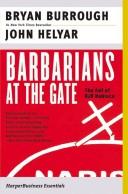
Barbarians at the Gate

The Fall of RJR Nabisco

Cover via Open Library

Rough AI truth score

92/100

The bid chronology, management conflict, leverage, and adviser incentives are well established. The book's morality-play framing captures real excess but can make one spectacular auction stand for a diverse leveraged-buyout era.

Based on three central claims · high confidence

The three claims

02Supported

Management perks, conflicts, and investment-bank fees pushed the auction beyond a straightforward effort to maximize operating value.

The competing insider proposal, adviser roles, financing packages, and board process created documented conflicts and enormous transaction fees. The auction also produced a high price for shareholders, so waste and value maximization coexisted.

03Mostly supported

The RJR Nabisco deal epitomized an LBO model in which debt discipline could become a dangerous burden on operating companies.

The record-sized financing made debt service and asset sales central to post-deal strategy and symbolizes 1980s buyout excess. Research finds leveraged buyouts have heterogeneous outcomes, so RJR cannot establish that the model generally destroys value.

Other claims worth checking
  • The auction exposed deep tensions between executives, boards, advisers, and shareholders.
  • KKR's victory did not make the purchase price easy to earn back.

What this number means. It is an AI-generated first-pass judgment of three central factual or causal claims—not a rating, exhaustive fact-check, or human peer review. Claim credits are 100% for supported, 75% for mostly supported, 50% for mixed, and 25% for weak, then averaged and rounded. Lower confidence means the score should move more as better evidence arrives.

Method three-central-claims/0.1.0 · checked 2026-09-01 · 3/3 selected claims assessed · method and source audit